
Brands Must Earn Their Place in Your Day – or Die
11th August, 2026
There was a time when brands could blast their way into our lives, hijacking attention with relentless ads and interruptions that demanded compliance. But in today’s fragmented, consumer-first world, this brute-force approach doesn’t just fail – it backfires, breeding indifference or outright resentment.
The new imperative is subtlety and respect: Brands must earn their place in people’s daily rhythms, becoming quiet allies rather than noisy intruders. And John C Jay has built one of the most quietly influential careers in modern branding, proving that creativity is not about hype but about building bridges – between art and business, global and local culture, and using these not as decoration, but as the engine for enduring relationships.
Jay’s worldview began in the back of his parents’ laundry business, where his earliest ambition was simply to one day own a sofa. As a first-generation immigrant to the USA who only started learning English at six, he grew up with the tension between ‘art as a hobby’ and the parental warning that creativity meant you’d ‘starve’. That tension later became his core advantage: he learned to treat design as problem-solving, not self-expression alone.
Exposure, more than talent, became his recurring theme. University opened him to European modernism and Bauhaus principles, and the act of obsessively writing to GQ while still a student (and being offered a job as a result) showed him that a sharp point of view could pierce institutions from the outside.
Jay came to renowned advertising agency Wieden+Kennedy in 1993 as something of an outsider – trained as a designer, steeped in editorial and retail, but with no traditional agency pedigree. That ‘outsider’ stance became his greatest asset. At W+K he rose to Global Executive Creative Director; and led the development of one of the agency’s signature campaigns at the time: Nike’s “City Attack” in New York.
Rather than treat the city as a backdrop for advertising, Jay and his team treated it as a collaborator. Posters were designed to weather, tear and be graffitied; the work was meant to be rained on, walked past and lived with, until it felt like part of the streetscape rather than a foreign intrusion. His logic was simple: If you want to be a New York brand, you have to show up like New York – messy, layered, contested, alive. This was advertising that behaved like public art, not rented attention.
At Wieden+Kennedy, Jay also helped launch W+K Tokyo and Shanghai, instructed by founder Dan Wieden to “do the work that none of our offices could ever do”, which pushed him to build a locally fluent practice rather than a Portland export. That meant culturally fluent teams, an appetite for experimentation, and a willingness to listen harder than they spoke. For Jay, global creativity was never about flattening differences; it was about honoring them.
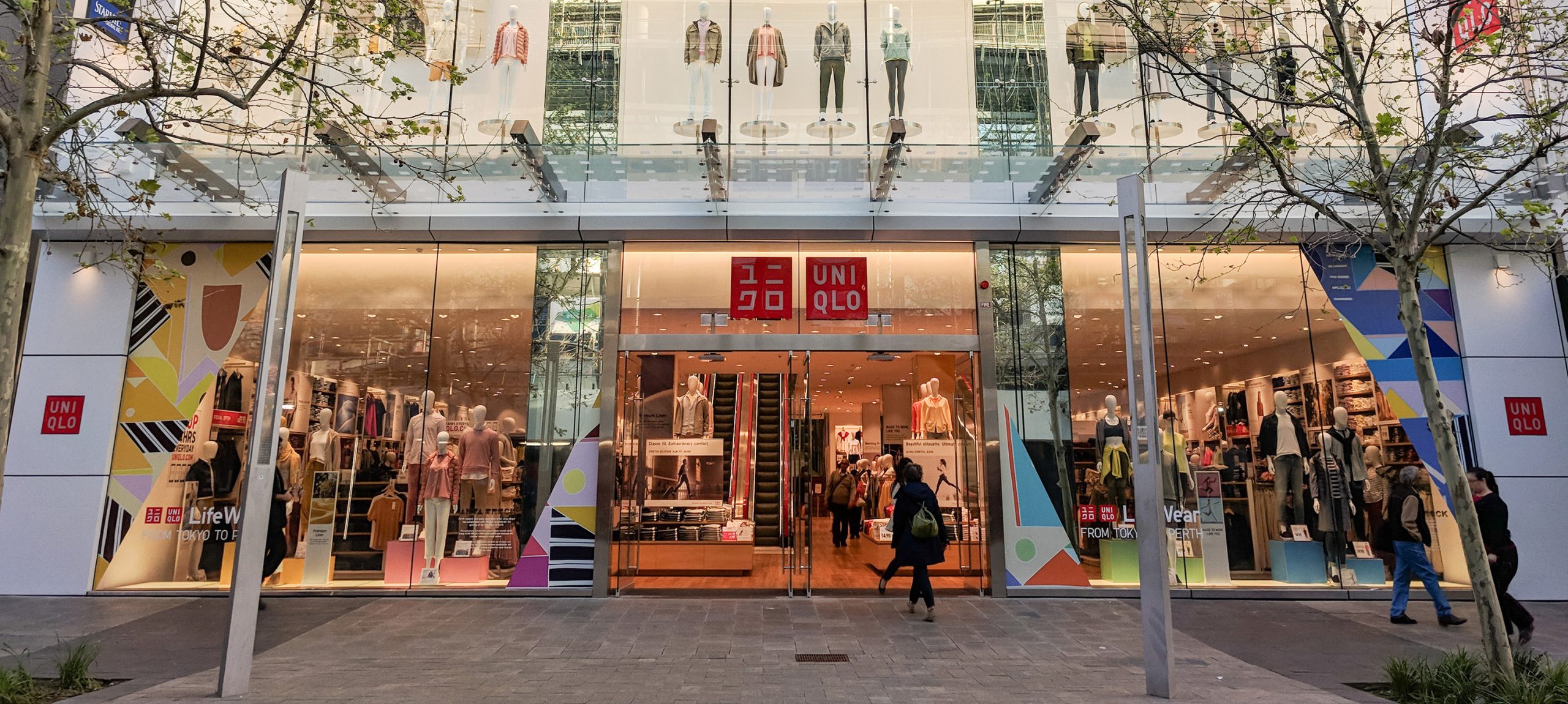
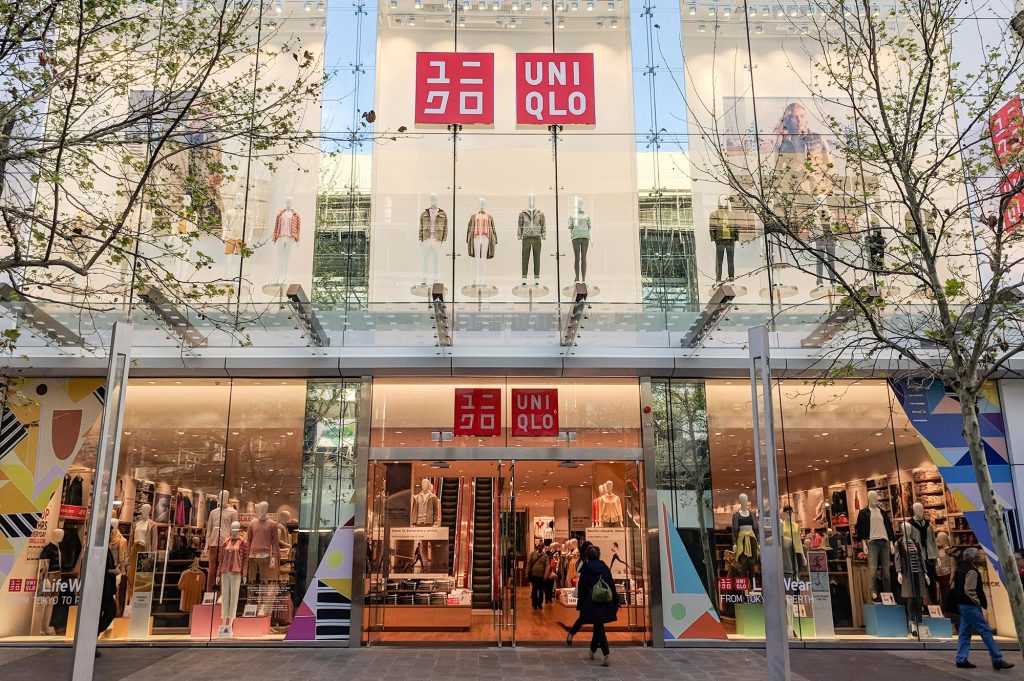
In 2014, Jay made a bold move, when Tadashi Yanai, founder & CEO of Fast Retailing, hired him to become President of Global Creative and drive international expansion, modernize creative direction, and transform Uniqlo from a Japanese retailer to a dominant global fashion brand. It was more than a career change; it was a philosophical shift. Inside a Japanese company rooted in rigour and humility, he had to unlearn the Western reflex of ‘we know best’ and instead, doubled down on listening inside a Japanese organization built on humility.
The most visible result of that shift is LifeWear, Uniqlo’s central idea that clothing should quietly improve daily life. LifeWear is not just a tagline; it’s a lens for decision-making. Under Jay’s guidance, Uniqlo started to express this idea not only through campaigns but through cultural platforms: LifeWear Magazine, for example, reads less like a catalogue and more like a thoughtfully curated journal. It explores record stores, baristas, galleries and neighbourhoods that matter to the people who wear Uniqlo, effectively turning the brand into an editor of everyday culture.
Uniqlo under Jay now runs roughly 20 art-driven projects a year, and has orchestrated collaborations that connect unlikely worlds: kabuki theatre with Nigo, introductions between Takashi Murakami and Billie Eilish, and even helping shape a US$300 million endorsement deal with Roger Federer that reframed Uniqlo from budget basics to global lifestyle player.
Lessons for Enlightened Brands
Jay’s critique of the current generation is not that they lack output, but that they lack curiosity. Curators and brand leaders, he argues, must actively immerse themselves in art, music, literature and lived city experiences if they want brands with intellectual bite, not just relevance. For brands and their stewards, his body of work offers a practical playbook:
- Move from campaigns to cultural participation.
Jay’s work at Wieden+Kennedy demonstrated that the most enduring ideas don’t just ‘run’; they live in the world – on streets, in social feeds, and community spaces. City Attack turned Nike from a brand speaking at New Yorkers into a brand embedded in the city’s visual and emotional landscape. - Build platforms, not just moments.
Jay consistently builds frameworks – annual initiatives, editorial pillars, cultural programmes – that can generate new ideas year after year. The power lies in the platform’s clarity – a strong point of view that others can plug into, evolve and localise. Over time, these become the ‘infrastructure’ of brand meaning. - Make exposure a discipline, not an accident.
Exposure – seeing more of the world, more deeply – is the real competitive advantage. Make field trips and shared playlists part of the process, not an optional extra. - Treat collaboration as shared education.
Collaborations should move culture forward, not just decorate product. Frame them as learning journeys. When pairing a client with an artist, institution or community, define what each party is meant to learn or unlearn through the process. Clients should view collaborations not as borrowed cool, but as a chance to expand their brand’s intellectual and emotional range – into art, sustainability, local craft or social issues that matter. - Start every brief with: Why do you deserve a place in someone’s day?
Push past functional answers until there is a human, emotionally resonant response. Use that answer as the north star for strategy, design and storytelling.
John Jay’s career is a masterclass in how a creative leader can shape businesses, cities and culture without ever shouting the loudest. He has shown that art can be a necessity in business, that humility and curiosity can travel further than ego, and that brands earn longevity by building real, respectful relationships with the people they serve.
His body of work stands as both inspiration and provocation: No one wakes up thinking the world needs another apparel brand. So companies must work hard to genuinely matter in the modern marketplace. If more leaders followed the bridges he has spent a lifetime building, the future of brand leadership would be in very good hands.


From identity to Infrastructure: A New Era for Brands
Cannes Lions 2026 signalled a shift from brand expression to execution. The future of strategic brand design lies in creating useful systems, services and experiences that make a brand’s promises tangible.
Brands Must Earn Their Place in Your Day – or Die
We explore how Uniqlo’s John C Jay built an influential creative career by connecting brands with art, culture and everyday life, revealing why curiosity, humility and cultural participation are essential to creating brands that genuinely matter.

Culture’s New Rules: Six Edges Quietly Crushing or Catapulting Thai Brands
Discover six cultural shifts reshaping Thai brands in 2026, from changing attitudes towards authenticity and technology to emerging consumer behaviours, and learn how marketers can turn these new cultural forces into meaningful, lasting competitive advantage.
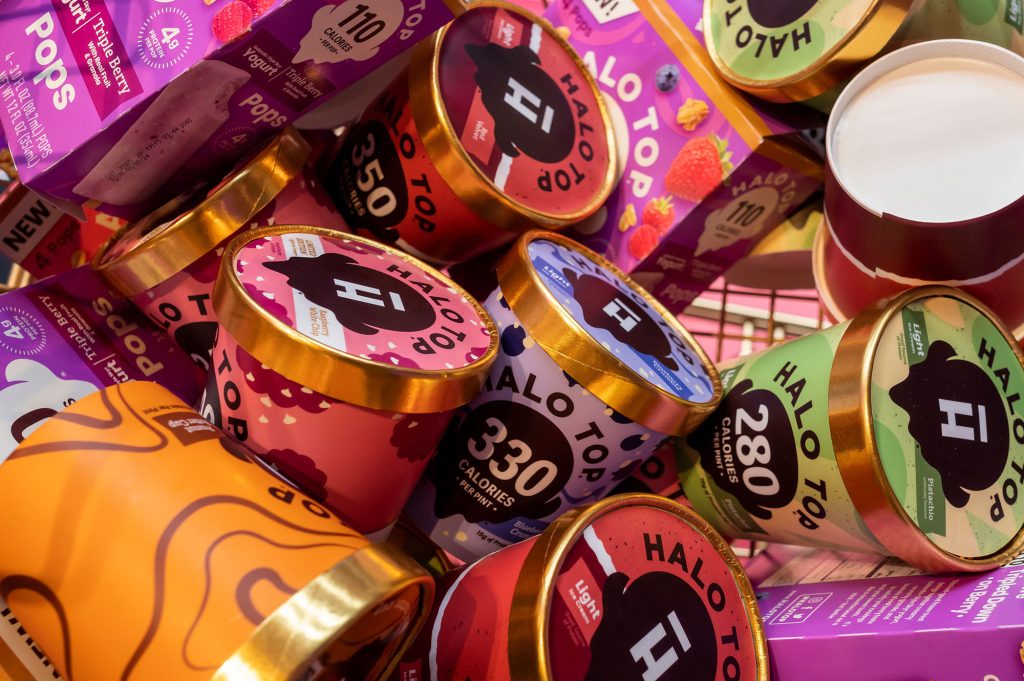
From Shelf to Sensation: How Halo Top’s Packaging Makeover Changed the Ice-Cream Landscape
Bold, original creativity remains essential for business success, yet creative confidence is declining due to weak insights and limited cultural agility. The 2025 State of Creativity report by Cannes LIONS Advisory highlights a landscape filled with both opportunity and challenge.

From Fish Fingers to Blue Chips: How Ian Glover Quietly Shapes Asia’s Brands
From London packaging studios to Bangkok boardrooms, Ian Glover’s design journey spans almost 20 years across Asia. In this profile, the Brand New Day Asia Design Director discusses creativity, technology, branding and the importance of balancing curiosity, precision and commercial thinking.

The Handbag Whisperer: Emily Cheetham Designs Confidence You Can Carry
Discover Emily Cheetham handbags and the story behind Elyse & i, an independent accessories brand defined by thoughtful design, everyday function and a quietly distinctive approach to brand identity.

Beautiful but Broken: The Hidden Cost of Designing on Top of Fuzzy Policy and Fuzzier Brand Narratives
Design works best as an amplifier, not a fixer. When the brand story is unclear, even the best design struggles to create real impact.

Beyond the Algorithm: Building Brand Moats from Emotional Design
In an AI-saturated marketplace, emotional design has become one of the last true brand moats. Pattern-matching can give you polish but only empathy gives you presence. The brands that win will be the ones that make people feel something memorable and unmistakably human.

Where Memory Meets Design: The Secret Alchemy Behind Forbidden Hill’s Treasures
Jewelry is memory made wearable, a tapestry of moments, emotions and identity carried close to the skin. Few brands embody this idea as naturally as Forbidden Hill, a contemporary lifestyle label shaped by the stories, spirit and cultural richness of Southeast Asia.

Creative Confidence: An Endangered State of Mind?
Bold, original creativity remains essential for business success, yet creative confidence is declining due to weak insights and limited cultural agility. The 2025 State of Creativity report by Cannes LIONS Advisory highlights a landscape filled with both opportunity and challenge.